Questions buyers ask late
Answers worth knowing before you order.
Product limits, site responsibility and operating realities—explained before they become change orders.
Which sizes suit homes and which suit commercial use?
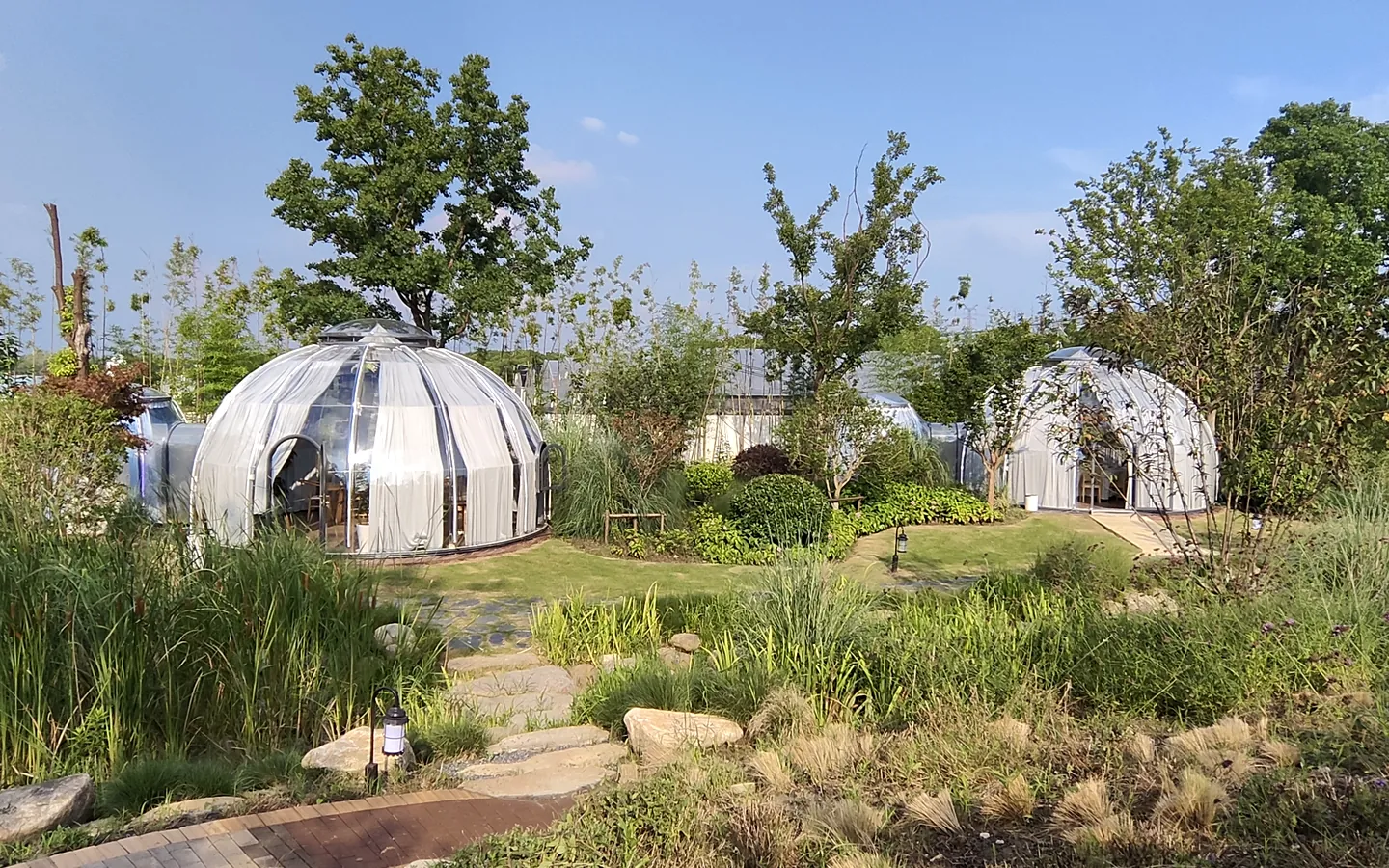
Small models are comfortable for private gardens and intimate seating. Every size may be used commercially when capacity, guest flow, foundation and local approvals suit the project. Compare usable layout, not diameter alone.
How do I manage summer heat?
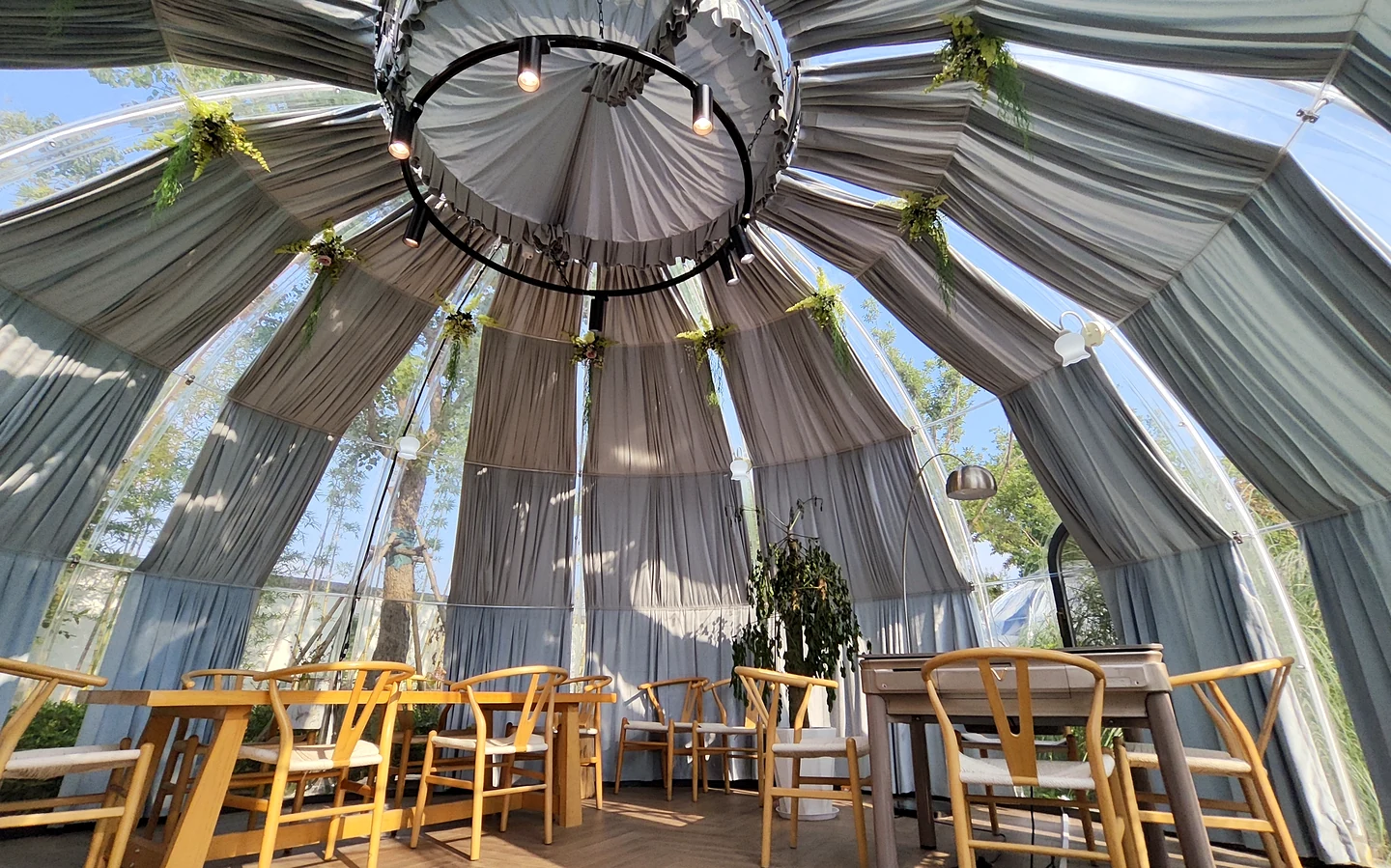
Transparent enclosures collect solar heat. Shade curtains, operable ventilation, site orientation and correctly sized local HVAC may be necessary. Share the hottest design temperature, sun exposure and occupancy so the configuration can be planned.
What causes condensation?
Condensation occurs when humid interior air meets a cooler surface. Ventilation, controlled occupancy, heating or dehumidification and drainage planning reduce risk; no transparent enclosure can promise zero condensation in every climate.
How is privacy handled at night?
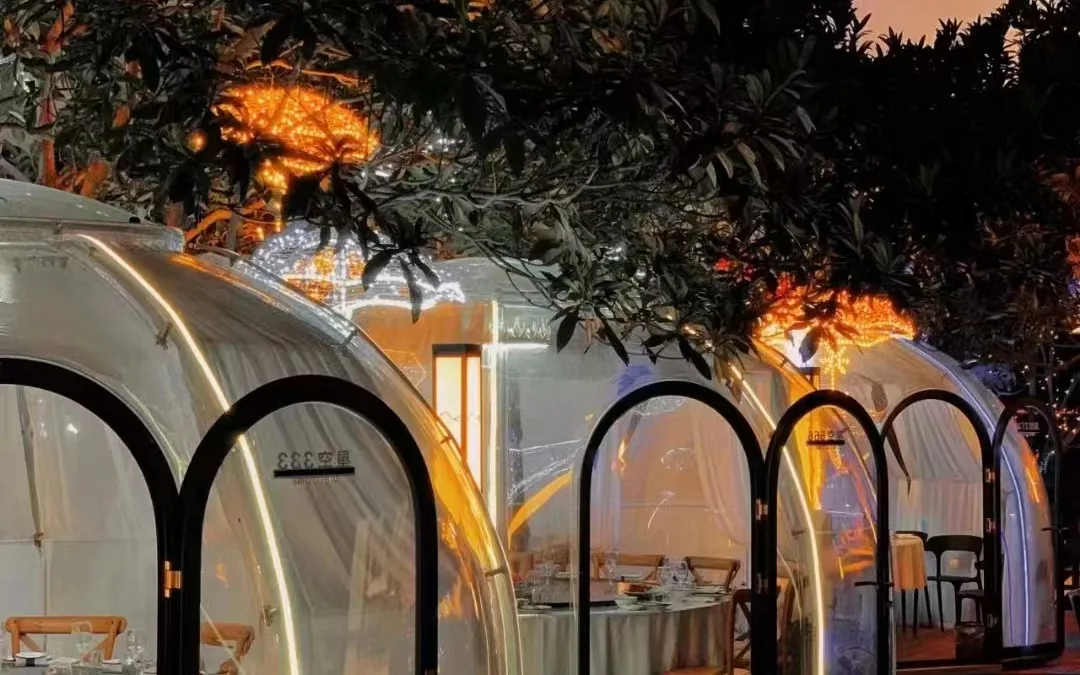
Interior lighting can make occupants more visible after dark. Select full or zoned curtains and plan lighting positions early, especially for bedrooms, spas and hospitality use.
Do I need a foundation and local permits?
Yes, a level and suitable foundation is required. Planning, structural, fire, electrical and hospitality rules vary by location. Celenest provides product dimensions and available documents; local professionals and authorities approve the site work.
Can a household assemble a dome?
Small standard models are designed for modular assembly with guidance. The safe crew, tools and lifting method depend on model and access. Review the installation plan before deciding it is a DIY project.
What is included in product photographs?
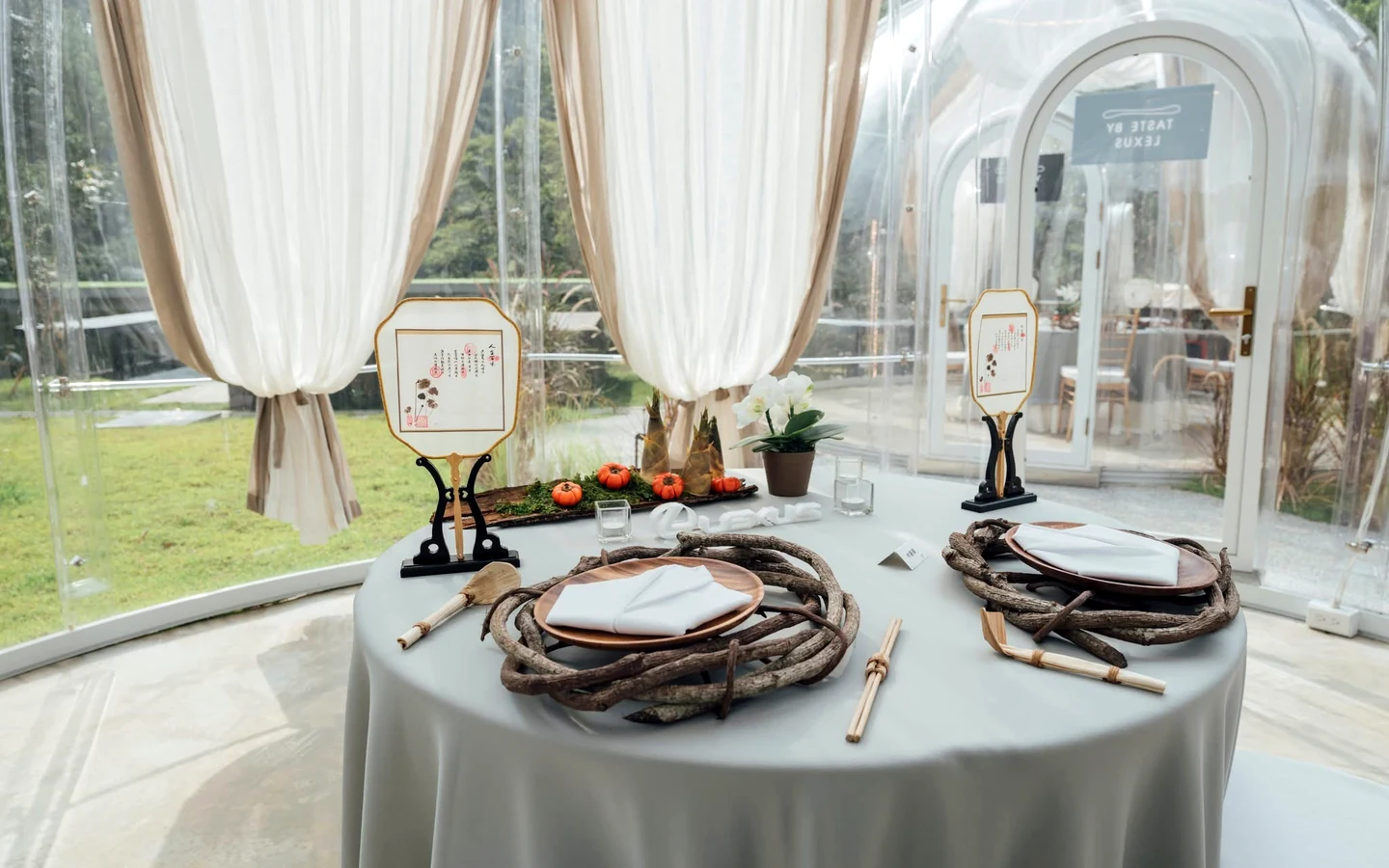
The confirmed quotation controls. Decks, foundations, furniture, bathrooms, HVAC, utilities, landscaping and decorative fit-out shown in project images are usually site works or options unless expressly listed.
How are freight damage and missing parts handled?
Inspect crates on arrival, photograph them before opening, keep packaging and report affected labels and part numbers promptly. Claim handling depends on shipment terms and evidence; replacement coordination follows review of the documented issue.
What does the warranty cover?
The purchase agreement states the covered components, term and performance criteria. Warranty exclusions normally include incorrect foundations or installation, misuse, unauthorized modification, inadequate maintenance, site events outside the agreed design basis and ordinary wear of service items.
How do I clean the shell?
Use water, mild soap and soft non-abrasive tools. Avoid abrasive pads and incompatible solvents. Inspect seals, fasteners, drainage and moving hardware on a routine appropriate to the climate and commercial use.
How is a quote prepared?
Send country or region, setting, approximate size, quantity, target date, site photos and climate concerns. We then confirm configuration, exclusions, EX-WORKS price, available freight basis and lead time.
Move from an idea to a visible configuration.